
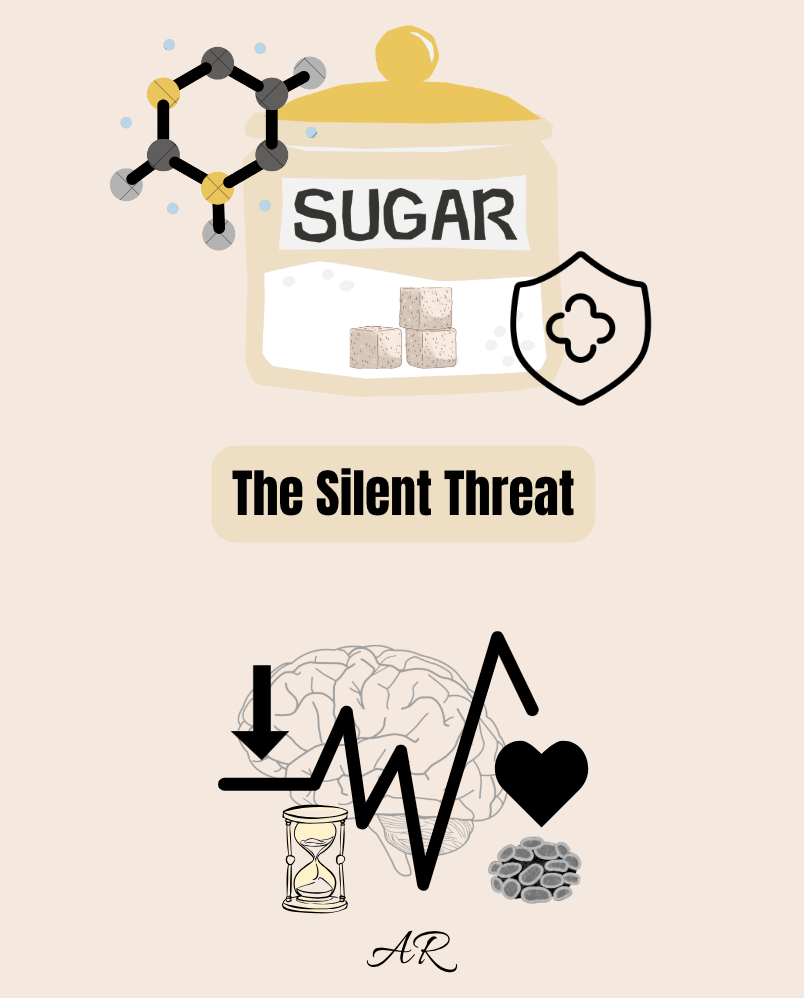
The Silent Threat: How Sugar is Destroying Your Health
Introduction: Why Added Sugar is a Modern Health Crisis
Many of us consume sugar daily, often without even realizing it. In today’s society, sugar can be found everywhere—from soft drinks and flavored coffees to snacks, sauces, and even so-called “healthy” packaged foods. This widespread issue deserves everyone’s attention.
While the sugar in whole fruits comes with fiber, vitamins, and antioxidants that slow absorption and support health, added sugars (refined sugars introduced during processing) pose a serious, invisible threat. Excessive intake of added sugar disrupts metabolism, fuels chronic inflammation, accelerates aging, and increases the risk of diseases such as type 2 diabetes, cancer, heart disease, and neurodegeneration.
Understanding the science behind sugar’s effects and adopting practical strategies to limit it can dramatically improve your health, energy, and longevity.
The Hidden Dangers of Added Sugar
The phrase “sugar is bad for you” is commonly heard, but it’s important to understand the reasons behind it. First, not all sugars are the same. Natural sugars, found in fruits and vegetables, come with essential nutrients and fiber that help regulate blood sugar levels and enhance feelings of fullness. In contrast, added sugars, found in table sugar, high-fructose corn syrup, syrups, sweeteners, sweetened beverages, and processed foods, are rapidly absorbed, nutrient-poor, and often consumed in large quantities. This combination overwhelms the body, creating a cascade of metabolic stress.
When added sugar enters the bloodstream, blood glucose rises quickly, prompting the pancreas to release insulin to manage it. Repeated spikes over time can lead to insulin resistance, where cells no longer respond effectively to insulin. The body compensates by producing more insulin, which encourages fat storage, triggers chronic inflammation, and increases the risk of metabolic diseases. Many people develop insulin resistance years before any clinical signs of diabetes appear, making this a silent but serious health threat.
Insulin resistance is a foundational metabolic dysfunction that underlies type 2 diabetes, obesity, and fatty liver disease. Chronic overexposure to glucose and insulin also promotes systemic inflammation, a recognized driver of cancer and neurodegeneration. Even moderate, habitual intake of added sugar contributes to oxidative stress and dysregulation of lipid metabolism, creating a biological environment that silently erodes health.
Added sugar is often rich in fructose, a type of sugar metabolized almost exclusively by the liver. When consumed in excess, fructose overwhelms the liver’s processing capacity, leading to fat accumulation and non-alcoholic fatty liver disease (NAFLD)—a condition now increasingly common in young adults, which reflects the modern dietary pattern high in processed foods.
Excess fructose also promotes hepatic insulin resistance, raising fasting blood glucose levels and amplifying insulin secretion. This contributes to visceral fat accumulation, systemic inflammation, and increased triglyceride levels—factors strongly associated with cardiovascular disease and metabolic syndrome. In addition, high sugar intake affects hormone regulation, including elevated cortisol, which can interfere with sleep, appetite, and energy regulation, further exacerbating metabolic dysfunction.
Sugar and Chronic Disease: From Diabetes to Cancer and Neurodegeneration
The effects of added sugar go far beyond metabolic disorders such as type 2 diabetes. Insulin resistance often develops silently, years before clinical diagnosis, contributing to hyperglycemia, weight gain, and an elevated risk of cardiovascular complications. While sugar does not directly cause cancer, it can create an internal environment that supports tumor growth. High insulin levels act as growth signals, elevated IGF-1 can promote cell proliferation, and chronic inflammation may contribute to DNA damage. Moreover, cancer cells preferentially rely on glucose for energy—a phenomenon known as the Warburg effect—giving them a metabolic advantage in sugar-rich environments.
Excess sugar also affects the brain. High sugar intake and insulin resistance can impair neuronal energy metabolism, reduce synaptic plasticity, disrupt mitochondrial function, and promote neuroinflammation. Studies in animal models and observational human studies have found that high dietary sugar may increase oxidative stress and accelerate the accumulation of amyloid plaques and tau pathology, changes associated with cognitive decline, memory impairment, and neurodegenerative diseases such as Alzheimer’s—sometimes referred to as “type 3 diabetes.” Over time, sugar contributes to aging through glycation, a process in which glucose binds to proteins to form Advanced Glycation End Products (AGEs). AGEs damage collagen, stiffen blood vessels, and accelerate organ aging, affecting both appearance and internal health.
Why Fruit Is Different
It’s important to note that fruit sugar does not carry the same risks. Fruits contain fiber, antioxidants, and vitamins that slow sugar absorption and reduce inflammation. Research consistently shows that fruit consumption protects against diabetes, heart disease, cancer, and obesity. The issue lies with added sugar, not the natural sugar in apples, berries, or oranges.
How to Reduce Added Sugar Without Feeling Deprived
Breaking free from added sugar requires practical strategies rather than extreme diets. It’s all about making sustainable, informed choices that protect your health while still allowing pleasure. The most effective first step is to eliminate liquid sugar found in sodas, juices, energy drinks, and sweetened coffee. Replacing these with water, sparkling water, or unsweetened tea or coffee immediately reduces metabolic stress.
Another effective strategy for improving metabolic health is food sequencing. Consuming protein before carbohydrates and including fiber-rich foods in every meal can slow down sugar absorption, helping to stabilize blood glucose levels. Taking short walks after meals can also enhance glucose regulation and improve insulin sensitivity. Additionally, resistance training builds muscle, which serves as a “glucose sink” and further contributes to metabolic health. Lastly, creating an environment that avoids keeping sugary snacks at home, prioritizing sleep, and managing cravings can help retrain your body to desire healthier food options.
Conclusion: Take Control of Your Health Today
Added sugar is one of the most pervasive yet overlooked health threats in the modern diet. Far from being just “empty calories,” excessive added sugar disrupts metabolic balance, drives chronic inflammation, accelerates cellular and vascular aging, and significantly increases the risk of major chronic diseases. From type 2 diabetes and cardiovascular disease to neurodegeneration and even cancer, high sugar intake creates biological conditions that undermine long-term health and longevity.
Understanding the science behind sugar’s effects allows you to make informed choices, replace harmful habits with supportive routines, and regain control over your metabolic health. By reducing added sugar, optimizing nutrition, moving your body, and caring for your sleep and stress, you can improve energy, focus, and long-term health, protecting both body and mind from the hidden dangers of sugar.
Author

Ayman Reffai
Dr. Ayman Reffai is a dedicated PhD, Fulbright alumnus, and ReachSci committee member. He got his PhD with the highest honor in Molecular Biology, Medical Biology, Bioinformatics, and Biotechnology with affiliations at the School of Medicine, Stanford University (US), and FSTT, Abdelmalek Essaadi University (Morocco) as part of the Fulbright program. Dr. Ayman Reffai is driven by a passion for scientific research and its potential to improve lives. With a strong commitment to making a positive impact on both the scientific community and society at large and a desire to inspire and guide others, Ayman actively engages in research, teaching, mentoring, and fitness endeavors.


Leave a Reply