
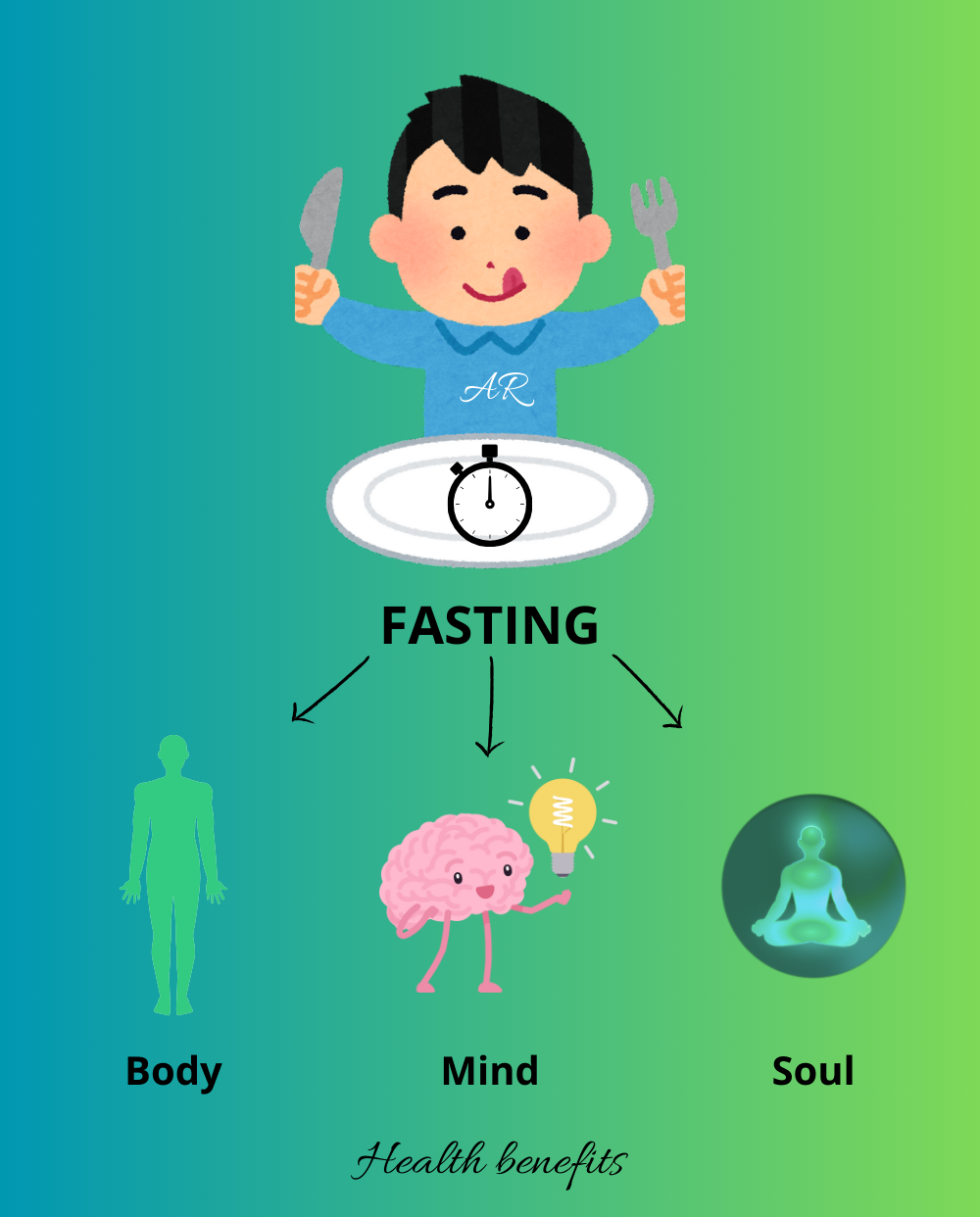
Benefits of Fasting: Health, Mind, and Soul in Harmony
Fasting has been practiced for centuries, whether for religious, cultural, or health reasons. In recent years, science has confirmed what was long believed—fasting offers incredible benefits for both the body, mind, and spirit. From improved metabolism and cellular repair to enhanced mental clarity and emotional resilience, fasting is a powerful tool for overall well-being.
Many people view fasting as merely a tool for metabolic and dietary benefits. However, it does much more than that. Food is one of our strongest desires, and abstaining from it for extended periods teaches valuable lessons in patience, resilience, and delayed gratification. fasting also plays a crucial role in deepening one’s connection with one’s soul and beliefs. It encourages self-reflection, mindfulness, and spiritual growth, making it an essential practice for physical and inner well-being.
In this article, we will explore the science-backed health benefits of fasting, focusing on its impact on the body, mind, and overall well-being.
1. Health Benefits of Fasting
a) Promotes Cellular Repair and Longevity
One of the most fascinating benefits of fasting is its ability to trigger autophagy, a process where the body removes damaged cells and regenerates new ones (more details on this process coming up soon). This cellular cleanup plays a critical role in preventing diseases, reducing inflammation, and potentially increasing lifespan. Some research suggests fasting may slow down aging by reducing oxidative stress and improving DNA repair.
b) Supports Weight Loss and Metabolism
For those who want to lose weight. Fasting naturally reduces calorie intake, helping with weight management. But it also does more than just cut calories—it improves metabolic function by boosting insulin sensitivity, allowing the body to use energy more efficiently. When fasting, the body switches from burning glucose to burning fat for fuel, a process called ketosis. This can promote fat loss, especially around stubborn areas like the belly.
c) Enhances Heart Health
Fasting has been linked to a reduced risk of heart disease by improving cholesterol levels, lowering blood pressure, and reducing inflammation. Studies have shown that intermittent fasting can decrease LDL (bad) cholesterol and triglycerides while increasing HDL (good) cholesterol, leading to better cardiovascular health.
d) Regulates Blood Sugar and Reduces Diabetes Risk
By improving insulin sensitivity and lowering blood sugar levels, fasting may help prevent or manage type 2 diabetes. When we fast, insulin levels drop, making it easier for cells to absorb glucose and use it efficiently. This can lead to improved blood sugar control and a reduced risk of insulin resistance.
e) Boosts Brain Function and Mental Clarity
Fasting stimulates the production of brain-derived neurotrophic factor (BDNF), a protein that supports brain health, enhances memory, and promotes learning and improved cognitive performance. Some studies suggest fasting may reduce the risk of neurodegenerative diseases like Alzheimer’s and Parkinson’s by protecting brain cells from damage.
2. Spiritual, Psychological, and Emotional Benefits of Fasting
a) Promotes Mindfulness, gratitude, and Emotional Balance
By removing constant eating from daily routines, fasting encourages mindfulness around food and emotional well-being. It can help break emotional eating patterns, allowing individuals to differentiate between true hunger and eating out of boredom, stress, or habit. Fasting, like Ramadan, cultivates a profound sense of gratitude and teaches us to not take things such as food for granted when other people are starving. It makes us more willing to give back and shifts our perspective in the long run.
b) Improves Mental Clarity and Focus
Without the constant burden of digestion, the brain can function more efficiently, leading to sharper concentration, alertness, and productivity. While these benefits may not be immediate—especially if you’re accustomed to frequent glucose intake—your body gradually adapts, enhancing cognitive performance as fasting progresses. This heightened mental clarity is due to increased ketone production, which provides a steady source of energy for the brain.
c) Strengthens Willpower and Discipline
One of the most important benefits of fasting is that it trains the mind to resist instant gratification, which strengthens self-discipline. Overcoming hunger and maintaining control of overeating habits can have a ripple effect on other areas of life, such as productivity, decision-making, and goal-setting.
d) Reduces Stress and Enhances Emotional Stability
Fasting has been linked to lower cortisol (stress hormone) levels, which helps reduce anxiety and stress. Many people find fasting to be a grounding experience, allowing them to develop a better relationship with themselves.
3. How to Break Your Fast for Maximum Benefits
Breaking your fast properly is just as important as the fasting period itself. The right approach can help maximize the benefits of fasting while preventing digestive discomfort and energy crashes.
a) What to Eat When Breaking Your Fast
When ending your fast, choose foods that are easy to digest and packed with nutrients:
-
- Hydration first: Start with water, herbal tea, or bone broth to rehydrate your body. However, drink water progressively instead of consuming large amounts at once.
-
- Gentle foods: Break your fast with easily digestible foods like dates, fruits, or soups.
-
- Pause: Allow for some time (10-15 min) before the main meal to avoid overwhelming your digestive system.
-
- Prioritize protein and healthy fats: Include eggs, meat, fish, nuts, or avocado to stabilize blood sugar levels.
-
- Avoid processed foods: Refrain from eating sugary or fried foods immediately after fasting, as they can cause energy crashes.
b) The Last Meal Before Fasting
The meal you eat before starting your fast plays a crucial role in sustaining energy levels and preventing hunger pangs.
-
- Prioritize complex carbs: Whole grains, legumes, and vegetables provide lasting energy.
-
- Include healthy fats: Nuts, seeds, and olive oil help keep you full longer.
-
- Ensure adequate protein: Lean meats, eggs, or plant-based proteins support muscle maintenance.
-
- Stay hydrated: Drink enough water to prevent dehydration during fasting hours.
By carefully selecting what you eat before and after fasting, you can optimize your energy levels, improve digestion, and enhance the overall benefits of fasting. Here are a few common fasting methods:
-
- Time-Restricted Eating: Limiting food and water intake to specific hours of the day like from dawn until sunset.
-
- Intermittent Fasting (IF): 16:8 method (fast for 16 hours, eat within an 8-hour window)
-
- 24-Hour Fasting: Going without food for a full day once or twice a week
-
- Alternate-Day Fasting: Eating normally one day, then fasting or eating very little the next
Important Tips:
-
- Stay hydrated throughout your eating time.
-
- Break your fast with nutrient-dense foods
-
- Avoid overeating after fasting periods
-
- Stay active during your fasting periods for full benefits
Final Thoughts
Fasting isn’t just about weight loss—it’s a powerful tool for health, longevity, and mental well-being. By giving your body and mind a break from constant digestion, you allow them to reset, repair, and function at their best. Whether you fast for a few hours or a whole day, embracing this ancient practice can lead to transformative benefits for both your physical and psychological health.
Are you ready to give fasting a try? Start small, listen to your body, and enjoy the benefits.
Author

Ayman Reffai
Dr. Ayman Reffai is a dedicated PhD, Fulbright alumnus, and ReachSci committee member. He got his PhD with the highest honor in Molecular Biology, Medical Biology, Bioinformatics, and Biotechnology with affiliations at the School of Medicine, Stanford University (US), and FSTT, Abdelmalek Essaadi University (Morocco) as part of the Fulbright program. Dr. Ayman Reffai is driven by a passion for scientific research and its potential to improve lives. With a strong commitment to making a positive impact on both the scientific community and society at large and a desire to inspire and guide others, Ayman actively engages in research, teaching, mentoring, and fitness endeavors.


Leave a Reply