
Epigenetics and Lifestyle: How Your Habits Affect Your Genetic Expression
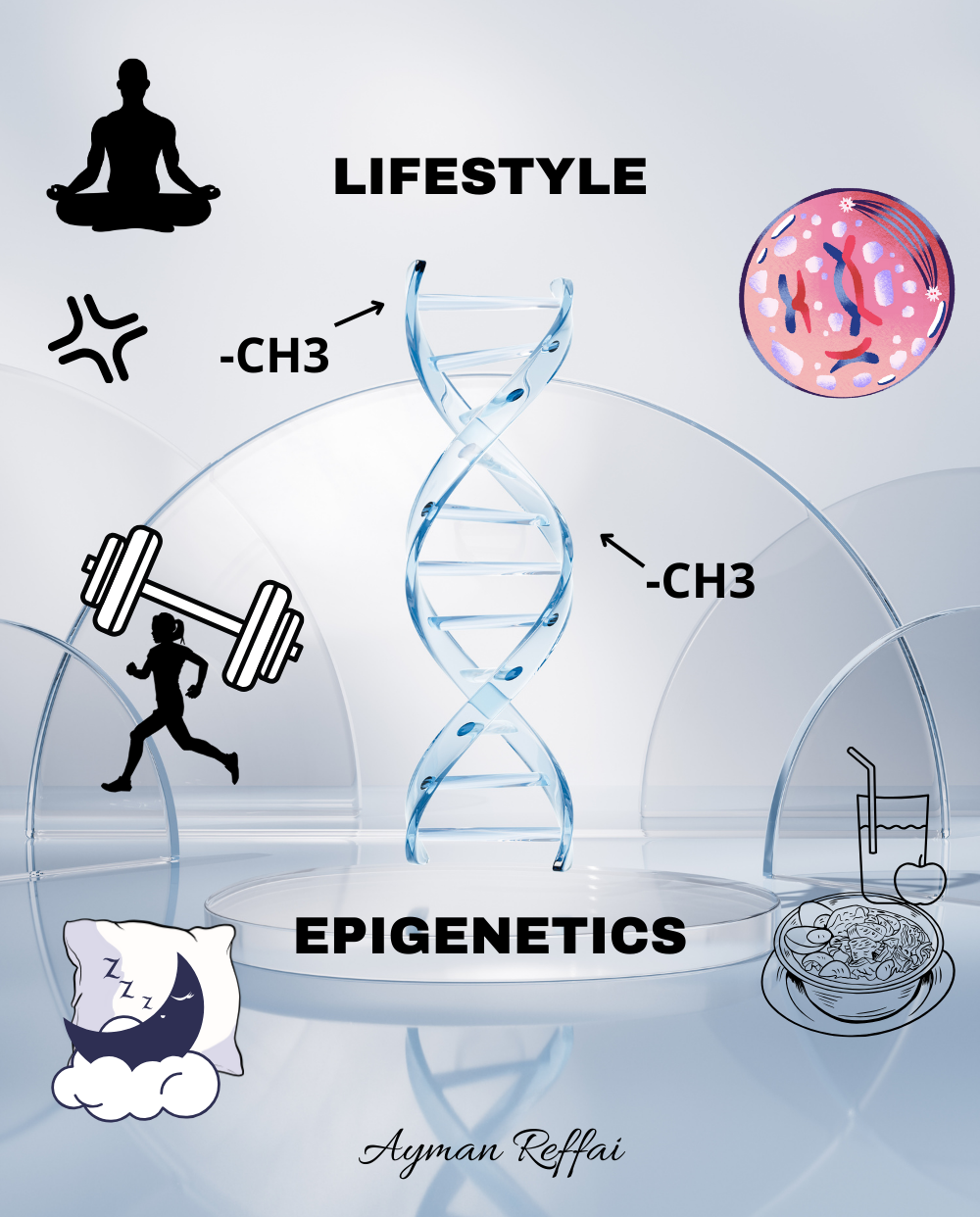
For years, we’ve been told that our genes determine our destiny—whether we are predisposed to diseases, how long we will live, or even how our brains function. Well, it’s half of the truth. While we can’t change the fundamental text of our genetic code, we can influence which genes are Active or silent. The emerging field of epigenetics reveals that our lifestyle choices can influence which genes are turned on or off. In other words, our habits shape our biology at the molecular level.
Scientific research now confirms that diet, exercise, sleep, stress management, and environmental factors play a critical role in modifying gene expression. This means that by making intentional lifestyle choices, we can optimize health, enhance longevity, and even improve cognitive performance. Let’s explore the science behind epigenetics and how you can leverage it to your advantage.
What is Epigenetics?
Epigenetics refers to heritable and reversible molecular modifications on DNA that regulate gene expression without altering the DNA sequence. Instead, these changes occur due to chemical modifications that control how genes are read and activated thereby influencing various biological processes including diseases like cancer.
Think of your DNA as hardware and epigenetics as the software telling that hardware which programs to run. The word “epigenetics” literally means “above genetics.” It represents an additional layer of information that sits on top of your genetic code, influencing which genes are activated or silenced in response to environmental factors and lifestyle choices.
Key Epigenetic Mechanisms:
Three main epigenetic mechanisms have been well-studied:
1. DNA Methylation – The addition of methyl groups (-CH₃) to DNA, resulting in gene silencing. High methylation levels in specific areas are linked to aging and several diseases. When methylation occurs, the gene becomes less accessible to the cellular machinery that reads DNA, effectively turning the gene “off.” Conversely, demethylation (removal of methyl groups) can reactivate genes, allowing their expression.
2. Histone Modification – DNA wraps around histones (proteins), and chemical changes to histones can either tighten or loosen DNA, making genes more or less accessible for activation. Key histone modifications that alter how tightly DNA is wound include Acetylation (-COCH₃), methylation (-CH₃), phosphorylation (-PO₄³⁻), and ubiquitination. Histone acetylation for example loosens DNA, making genes more accessible for transcription (gene activation).
3. MicroRNA Regulation – MicroRNAs (miRNAs) are small, non-coding RNA molecules that influence how genes are translated into proteins, playing a crucial role in inflammation, metabolism, and brain function. They act as gene silencers by either blocking translation or degrading target mRNA. miRNAs also influenced the epigenetic machinery affecting DNA methylation patterns or histone-modifying enzymes.
These mechanisms show that our genetic destiny is not fixed—it is highly modifiable based on our environment and lifestyle choices.
How Lifestyle Influences Gene Expression
1. Exercise Turns On Longevity & Metabolism-Boosting Genes
Regular physical activity has profound effects on epigenetics. Research has found that exercise can lead to immediate changes in DNA methylation patterns in genes associated with metabolism and muscle growth.
Additionally, studies show that exercise:
- Activates SIRT1, a longevity-associated gene that enhances mitochondrial function and reduces oxidative stress (Gallardo Juan et al. 2023).
- Induces the expression of PPARGC1A, a gene involved in energy metabolism, making cells more efficient in using fuel (Barrès et al. 2012).
- Increases BDNF (Brain-Derived Neurotrophic Factor), which improves memory, and neuroplasticity, and protects against neurodegenerative diseases (Gomez-Pinilla & Hillman, 2013).
Actionable Tip: Engage in a mix of aerobic exercise, resistance training, and high-intensity interval training (HIIT) to optimize gene expression related to metabolism, brain function, and longevity.
2. Diet Modifies Genetic Expression
The nutrients you consume can directly influence DNA methylation and histone modifications. Some key dietary components with epigenetic effects include:
- Folate & B Vitamins – Essential for DNA methylation, preventing age-related epigenetic decline (Crider et al., 2012).
- Polyphenols (found in green tea, turmeric, and berries) – Regulate histone modification and suppress inflammation-linked genes (Rong Fan et al. 2020).
- Omega-3 Fatty Acids – Reduce gene expressions associated with chronic inflammation, improving heart and brain health (Calder, 2015).
- Caloric Restriction & Fasting – Studies show that intermittent fasting influences SIRT1 activation and autophagy, promoting cellular repair and lifespan extension (Madeo et al., 2019).
Actionable Tip: Prioritize whole, nutrient-dense foods rich in antioxidants, healthy fats, and B vitamins to enhance positive epigenetic modifications.
3. Stress & Epigenetics: How Mindset Shapes Biology
Chronic stress is a major epigenetic disruptor, activating genes linked to inflammation, depression, and neurodegeneration.
- Research shows that stress increases methylation of the NR3C1 gene, impairing cortisol regulation and making individuals more prone to anxiety and burnout (McGowan et al., 2009, Unternaehrer et al. 2012).
- Conversely, meditation and mindfulness practices have been found to reverse stress-induced epigenetic changes, reducing inflammation and improving mental resilience (Kaliman et al., 2014).
Actionable Tip: Incorporate prayer, meditation, breathwork, or nature exposure into your routine to mitigate stress-related epigenetic changes.
4. Sleep & Genetic Repair
Quality sleep is crucial for maintaining a healthy epigenome. Poor sleep negatively impacts gene expression, leading to:
- Increased inflammatory gene activation, raising disease risk (Irwin & Opp, 2017).
- Disruption of circadian rhythm genes (BMAL1 and CLOCK), impairing metabolism and cognitive function (Zhang et al., 2014).
- Reduced expression of melatonin-related genes, leads to poorer DNA repair and oxidative damage (Acuna-Castroviejo et al., 2014).
Actionable Tip: Optimize your sleep by maintaining a consistent schedule, minimizing blue light at night, and getting natural sunlight exposure during the day.
5. Environmental Toxins & Gene Expression
Exposure to pollutants, heavy metals, chemicals, and endocrine disruptors can trigger harmful epigenetic changes linked to cancer, obesity, and neurodegeneration.
- Air pollution has been shown to alter DNA methylation patterns, increasing inflammation (Baccarelli et al., 2009).
- BPA (a chemical in plastics) has been found to disrupt endocrine-related genes, affecting metabolism and reproductive health (Dolinoy et al., 2007).
Actionable Tip: Reduce exposure by choosing organic foods, using glass instead of plastic, and filtering indoor air to minimize epigenetic damage.
Key Takeaways: You Can Reprogram Your Genes
Epigenetics proves that the expression of our genes is not fixed, and we have immense control over our biological destiny by using environmental factors and lifestyle. To positively influence your gene expression, you can exercise regularly, eat nutrient-dense foods, prioritize quality sleep, manage stress, and reduce environmental toxins. Additionally, evidence found intergenerational effects when it comes to epigenetics so it’s not just about us.
To conclude, by making intentional lifestyle choices, you can enhance cognitive function, optimize metabolism, and extend lifespan—at the genetic level— and affect your offspring positively.
References
- Gallardo Juan et al. 2023 A systematic review and meta-analysis of the SIRT1 response to exercise (Nature Scientific Reports)
- Barrès et al. 2012 Acute Exercise Remodels Promoter Methylation in Human Skeletal Muscle (Cell Metabolism)
- Gomez-Pinilla & Hillman, 2013 The Influence of Exercise on Cognitive Abilities (Compr Physiol)
- Crider et al., 2012 Folate and DNA Methylation: A Review of Molecular Mechanisms and the Evidence for Folate’s Role (Advances in Nutrition)
- Rong Fan et al. 2020 Red Raspberry Polyphenols Attenuate High-Fat Diet-Driven Activation of NLRP3 Inflammasome and its Paracrine Suppression of Adipogenesis via Histone Modifications (Molecular Nutrition Food Research)
- Calder, 2015 Marine omega-3 fatty acids and inflammatory processes: Effects, mechanisms, and clinical relevance (BBA Molecular and Cell Biology of Lipids)
- Madeo et al., 2019 Caloric Restriction Mimetics against Age-Associated Disease: Targets, Mechanisms, and Therapeutic Potential (Cell Metabolism)
- McGowan et al., 2009 Caloric Restriction Mimetics against Age-Associated Disease: Targets, Mechanisms, and Therapeutic Potential (Nature Neuroscience)
- Unternaehrer et al. 2012 Dynamic changes in DNA methylation of stress-associated genes (OXTR, BDNF ) after acute psychosocial stress (Nature Translational Psychiatry)
- Kaliman et al., 2014 Rapid changes in histone deacetylases and inflammatory gene expression in expert meditators (PsychoNeuroEndocrinology)
- Zhang et al., 2014 A circadian gene expression atlas in mammals: Implications for biology and medicine (PNAS)
- Acuna-Castroviejo et al., 2014 Extrapineal melatonin: sources, regulation, and potential functions (Cellular and Molecular Life Sciences)
- Baccarelli et al., 2009 Rapid DNA Methylation Changes after Exposure to Traffic Particles (American Journal of Respiratory and Critical Care Medicine)
- Dolinoy et al., 2007 Maternal nutrient supplementation counteracts bisphenol A-induced DNA hypomethylation in early development (PNAS)
Author

Ayman Reffai
Dr. Ayman Reffai is a dedicated PhD, Fulbright alumnus, and ReachSci committee member. He got his PhD with the highest honor in Molecular Biology, Medical Biology, Bioinformatics, and Biotechnology with affiliations at the School of Medicine, Stanford University (US), and FSTT, Abdelmalek Essaadi University (Morocco) as part of the Fulbright program. Dr. Ayman Reffai is driven by a passion for scientific research and its potential to improve lives. With a strong commitment to making a positive impact on both the scientific community and society at large and a desire to inspire and guide others, Ayman actively engages in research, teaching, mentoring, and fitness endeavors.

Leave a Reply