
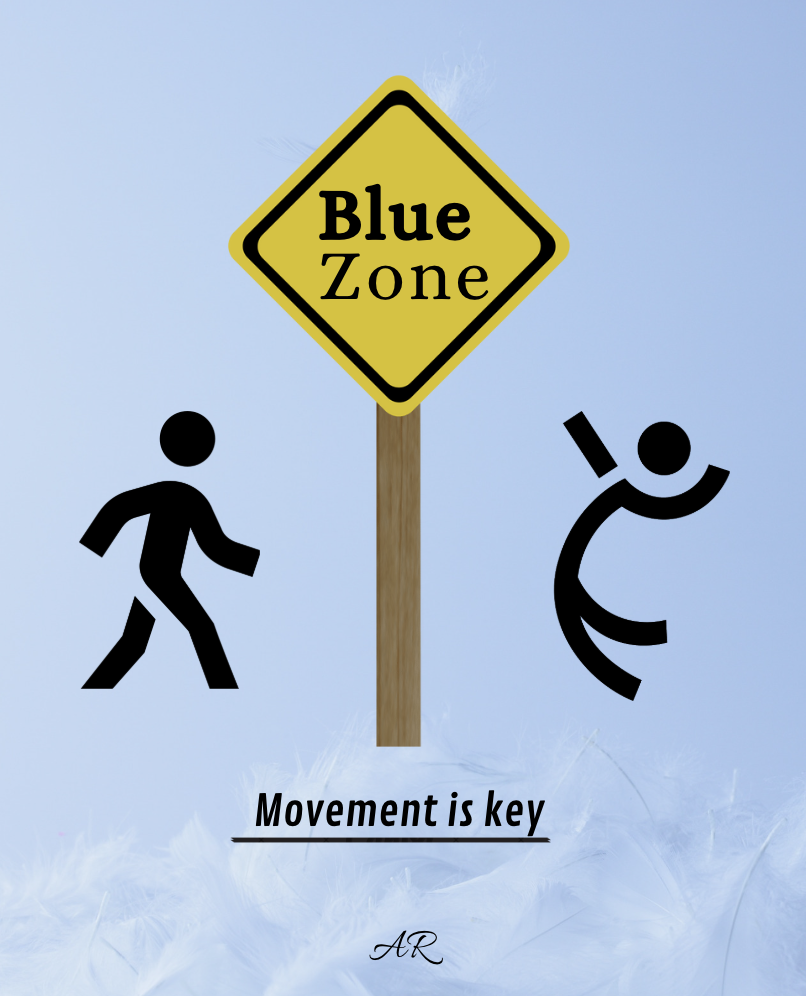
Blue Zone Secrets: What the World’s Healthiest People Teach Us About Fitness
What if the secret to staying fit and healthy was in the way you live your everyday life? No need for fancy equipment or brutal training schedules — just simple, natural movement woven into daily routines. That’s exactly what researchers found in the so-called Blue Zones — five regions around the world where people live significantly longer, healthier lives. These places include:
- Okinawa in Japan,
- Sardinia in Italy,
- Nicoya in Costa Rica,
- Icaria in Greece, and
- Loma Linda in California, US.
People here don’t just live longer; they thrive well into their 90s and even past 100, often with strength, mobility, and sharp minds intact.
So, what do they know about fitness that the rest of us don’t? Let’s dive into the lessons from the world’s longest-living communities and how we can bring some of their wisdom into our modern lives.
Fitness in Blue Zones: Movement Is a Lifestyle
One of the most striking things about Blue Zone communities is that none of them have gyms. They don’t schedule workouts or follow strict fitness routines. Instead, movement is built into their environment and lifestyle. This doesn’t mean you shouldn’t go to the gym. On the contrary, you should implement daily movement in addition to exercising.
In blue zones, people:
- Walk everywhere. Whether it’s to visit a neighbor, shop for groceries, or head to work, walking is the default mode of transport.
- Garden and farm. Bending, digging, carrying, planting, harvesting — these are all forms of natural strength training. This is their kind of gym.
- Do household chores actively. Washing, cleaning, chopping wood, lifting baskets — all these daily tasks keep their bodies strong and functional.
- Spend time outdoors. Sunshine, fresh air, and uneven terrain provide both physical and mental benefits.
Although high-intensity training is essential for improving your VO2 max, the key here is low-intensity, high-frequency activity. It’s not about sweating buckets for 45 minutes and then sitting at a desk the rest of the day. It’s about moving gently but often, for hours, every single day.
The Fitness Habits That Keep Them Young
When you break it down, there are a few core habits that Blue Zone residents share:
- Walking as a daily ritual. It is very common for them to cover 7,000–10,000 steps just through normal daily life.
- Functional strength. They lift groceries, tools, or grandchildren. Their bodies are strong in ways that matter for real life. In today’s life, lifting weights is an alternative.
- Mobility and posture. Many of these communities spend time sitting on the ground, squatting, and moving naturally, which keeps joints flexible and posture strong.
- Play and joy. Dancing, social walks, and outdoor games keep them active — but also happy and joyful. Movement isn’t seen as a chore, it’s seen as fun.
- Consistency over intensity. They don’t “start a fitness challenge” or “train for summer abs.” They just keep moving every day, for decades. This teaches us the power of consistency.
The Role of Environment and Mindset
Another secret is that their environments are designed for movement. Streets are walkable, communities are close-knit, and there’s less reliance on cars. Because of this, fitness isn’t something they “add on” — it’s simply how life is lived.
And then there’s the mindset. In Blue Zones, movement is not a burden or an obligation. It’s part of social connection, purpose, and joy. People garden not because they “have to exercise,” but because they love caring for their plants. They walk with neighbors because social bonds matter. They dance because it brings happiness.
This cultural framing makes all the difference. Fitness becomes effortless.
How Can We Apply Blue Zone Wisdom Today?
Most of us don’t live in a picturesque mountain village in Sardinia or a sunlit island in Greece. Our lives are often sedentary, with cars, desks, and screens dominating our routines. But that doesn’t mean we can’t adopt some of the same principles.
Here are practical ways to bring Blue Zone habits into your modern lifestyle:
- Walk whenever possible. Replace short car rides with walking. Take walking meetings or phone calls. Aim for at least 7000–10 000 steps a day.
- Add movement into your routine. Take the stairs, carry your groceries, do chores without outsourcing them. These “exercise snacks” add up.
- Sit on the floor sometimes. Watching TV? Try sitting on the floor and standing up periodically. It improves mobility and keeps your body young.
- Join group activities. Community sports, dance classes, or group hikes bring both fitness and joy.
- Focus on longevity not periodic challenges and transformations Instead of chasing short-term transformations for summer, think: “How can I move in a way that keeps me strong and active at 90?” The goal is to stay healthy and strong the longest.
Why This Approach Works
Modern fitness culture sometimes promotes extremes: intense workouts, strict schedules. Although this also works, the evidence from Blue Zones shows that sustainable, natural movement is more powerful for long-term health.
- It reduces stress. Gentle activity throughout the day lowers cortisol and promotes relaxation.
- It protects joints. Low-impact, consistent movement maintains mobility without overuse injuries.
- It supports heart health. Walking, gardening, and daily chores improve cardiovascular function.
- It’s sustainable. Because it’s enjoyable and built into daily life, people stick with it effortlessly — for decades.
And perhaps most importantly, it keeps people not just alive, but vibrant and independent in their later years.
Final Thoughts
The world’s healthiest people live simple lives in a way that encourages natural, daily movement, while also enjoying it. If you could learn one lesson from this article, let it be this: By walking more, sitting less, staying social, and choosing joy in our activities, we can bring a little Blue Zone wisdom into our own routines. The goal is not to add years to your life but to add life to your years. The path to fitness isn’t just about doing more. It’s about having an active and sustainable lifestyle that can keep you healthy and strong the longest.
Author

Ayman Reffai
Dr. Ayman Reffai is a dedicated PhD, Fulbright alumnus, and ReachSci committee member. He got his PhD with the highest honor in Molecular Biology, Medical Biology, Bioinformatics, and Biotechnology with affiliations at the School of Medicine, Stanford University (US), and FSTT, Abdelmalek Essaadi University (Morocco) as part of the Fulbright program. Dr. Ayman Reffai is driven by a passion for scientific research and its potential to improve lives. With a strong commitment to making a positive impact on both the scientific community and society at large and a desire to inspire and guide others, Ayman actively engages in research, teaching, mentoring, and fitness endeavors.

Leave a Reply