

Precision Medicine: Redefining Healthcare Through the Power of Omics
Imagine walking into a doctor’s office and receiving a treatment plan designed specifically for you—not just based on your symptoms, but on your genetic makeup, protein expression, metabolic profile, and even your microbiome. This is no longer science fiction. It’s the transformative approach of precision medicine that is reshaping the future of healthcare.
For decades, medicine has largely operated under generalized assumptions, following a “one-size-fits-all” approach. Patients with the same diagnosis were typically offered the same therapy, regardless of individual differences. While this “trial-and-error” model has saved millions of lives, it also has clear limitations. Treatments that work for one person may not work or even cause harm in another. Chronic diseases like cancer and rare genetic disorders have often been treated reactively rather than proactively. Giving treatment based on symptoms or disease stage is not the best approach.
Thanks to scientific research with the convergence of cutting-edge technologies, molecular and cellular biology, omics, and bioinformatics, we now stand at the threshold of a new paradigm. One where medical decisions are guided by a deep understanding of each person’s unique biological code and lifestyle. This is what makes precision medicine revolutionary—it replaces generalized care with a personalized one**.**
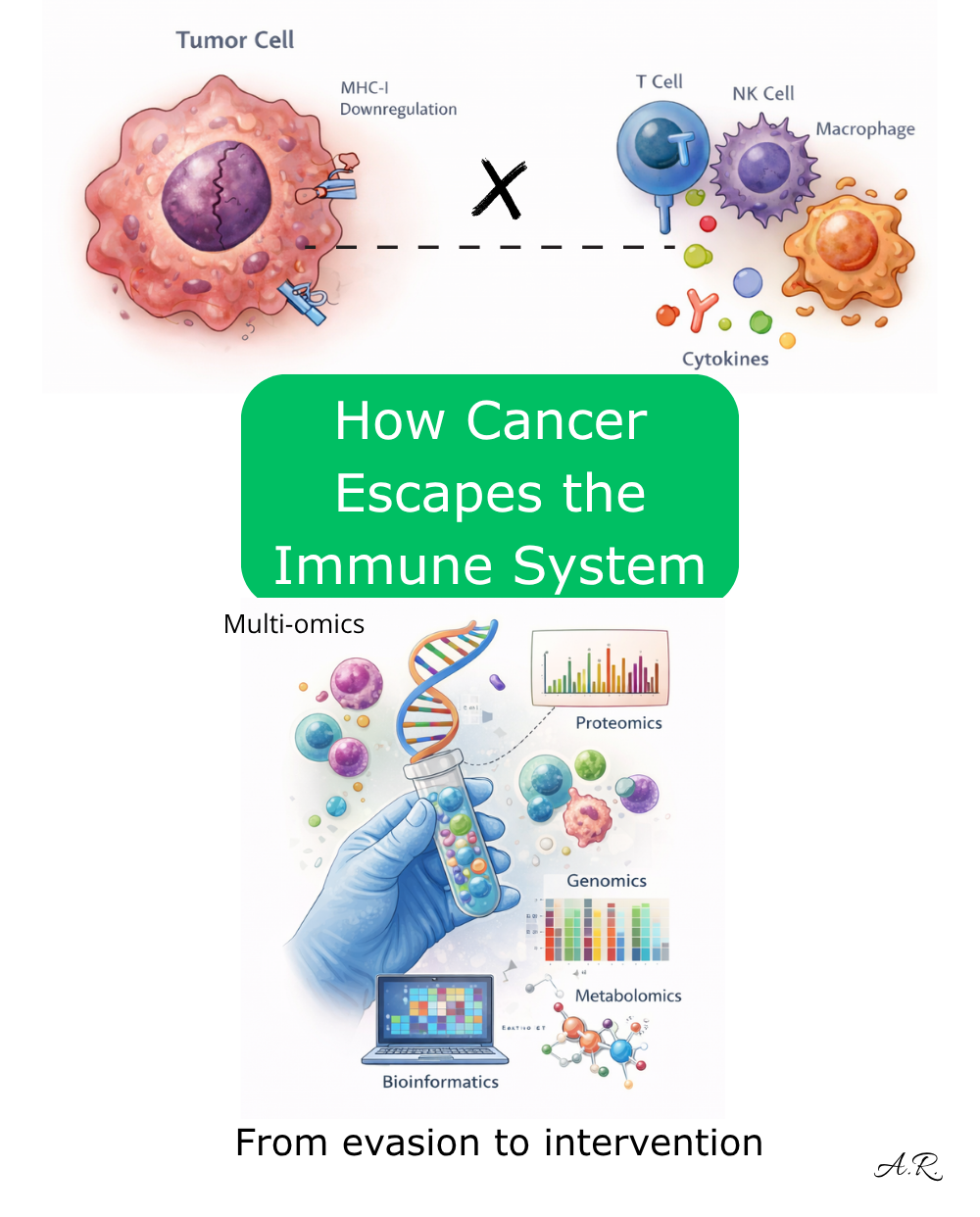
At the heart of this revolution are the rapidly evolving fields of genomics, proteomics, metabolomics, epigenomics, and other “omics” sciences. These disciplines generate detailed maps of our biological systems and offer insight into the root causes of disease, long before symptoms even appear. Combined with artificial intelligence and clinical data, they provide powerful tools for predicting disease, tailoring treatments, and even preventing illness altogether.
In this article, we’ll explore what precision medicine truly means, why it matters more than ever, and how technologies like genetic profiling, proteomic analysis, and multi-omics integration are transforming healthcare from generic to genuinely personalized.
Welcome to the new frontier of medicine—where you are the blueprint for your own care.
What Is Precision Medicine?
Precision medicine refers to tailoring medical treatment to the individual characteristics of each patient. This includes genetics, proteins, metabolism, lifestyle, and environment. It seeks to understand why diseases affect individuals differently—and how we can use this knowledge to intervene more effectively. This shift is made possible by the rise of omics sciences, the backbone of precision medicine.
The Omics Revolution
1. Genomics – The Blueprint of Life
Genomics, the study of an individual’s complete set of DNA, allows researchers to identify genetic variants that influence disease risk, drug response, and therapy effectiveness. For instance, mutations in BRCA1/2 genes are well-known markers for increased breast and ovarian cancer risk, enabling preventive interventions.
Projects like the 100,000 Genomes Project and The Cancer Genome Atlas (TCGA) have mapped the genetic underpinnings of various diseases, providing a vast resource for identifying biomarkers and potential drug targets.
2. Transcriptomics – The Language of Gene Expression
While genomics tells us what could happen, transcriptomics reveals what is happening by studying RNA expression. This enables real-time monitoring of how genes are turned on or off in health and disease. For instance, single-cell RNA sequencing has unveiled cellular heterogeneity in tumors, paving the way for personalized oncology treatments.
3. Proteomics – The Machinery of Life
Proteins are the workhorses of cells and are often where diseases manifest most clearly. Proteomics analyzes the structure, function, and interactions of proteins. In cancer research, proteomics has uncovered differentially expressed proteins between early and late disease stages, informing biomarker discovery, prognostic models and therapeutic targets.
Large-scale projects like the Clinical Proteomic Tumor Analysis Consortium (CPTAC) integrate proteomic data with genomic and clinical profiles, delivering actionable insights into complex diseases.
4. Metabolomics – The Snapshot of Cellular Health
Metabolomics captures small molecule metabolites in cells, tissues, or fluids, providing a biochemical readout of cellular processes. It’s particularly useful in metabolic disorders, cardiovascular disease, and cancer, offering real-time functional insights into disease progression or drug response.
5. Epigenomics and Microbiomics – The Hidden Influencers
The epigenome regulates gene expression without altering DNA sequence, and epigenetic modifications can be influenced by diet, stress, toxins, and lifestyle. Meanwhile, the human microbiome—the trillions of microbes in our body—affects everything from digestion to immunity. Their combined influence adds another layer of personalization to precision medicine.
Real-World Applications of Precision Medicine
While precision medicine may sound futuristic, it is already making tangible differences across various fields of healthcare—from oncology and rare diseases to pharmacology and public health. The integration of high-throughput omics technologies and data science is enabling more accurate diagnoses, earlier detection, and better-targeted therapies, tailored to the molecular blueprint of each patient.
1. Cancer Treatment: A Paradigm Shift
One of the most impactful applications of precision medicine is in oncology, where it has revolutionized the way we understand and treat cancer. Traditional chemotherapy, which broadly targets fast-dividing cells, often causes significant side effects and is not always effective. Precision oncology, on the other hand, analyzes the genetic mutations, protein expression, and signaling pathways unique to each tumor.
- Example: In non-small cell lung cancer (NSCLC), patients are now routinely screened for mutations in genes like EGFR, ALK, or ROS1, which determine their eligibility for specific targeted therapies such as tyrosine kinase inhibitors (TKIs).
- Proteomics, meanwhile, is being used to identify biomarkers of diagnosis, drug resistance and tumor aggressiveness, guiding early detection, treatment choices and prognosis predictions.
2. Pharmacogenomics: Personalized Drug Response
Precision medicine also extends into pharmacogenomics, the study of how genes affect a person’s response to drugs. Instead of the “one-dose-fits-all” model, clinicians can now tailor medications based on an individual’s genetic variants that influence drug metabolism, efficacy, or risk of adverse effects.
- Example: Variants in the CYP2C19 gene can affect how individuals metabolize clopidogrel, a commonly prescribed antiplatelet drug. Identifying these variants helps avoid ineffective treatment or harmful side effects.
- In psychiatry and mental healthcare, pharmacogenomic testing is used to optimize medication selection and dosage like antidepressants, reducing the time needed to find an effective therapy.
3. Rare and Undiagnosed Diseases
For patients with rare or undiagnosed conditions, whole genome sequencing (WGS) and whole exome sequencing (WES) can uncover disease-causing mutations that traditional diagnostics might miss. This has enabled life-changing diagnoses, especially in pediatric and neonatal care.
- Example: At Stanford and other major centers, rapid WGS has been used in neonatal intensive care units (NICUs) to diagnose rare genetic disorders in critically ill infants within 48 hours—allowing for immediate, targeted interventions.
4. Infectious Diseases: Precision in Action
Precision medicine is revolutionizing infectious disease care through rapid, genome-based diagnostics. For example, metagenomic sequencing can identify elusive pathogens in patients with unexplained infections, enabling targeted treatment when traditional tests fail.
- Example: Genetic markers like IFNL3 variants help predict response to hepatitis C therapy, guiding personalized treatment plans. These advances are making infection diagnosis and management faster and more precise than ever before.
5. Population Health and Preventive Medicine
Precision medicine also holds potential in public health by identifying genetic predispositions to chronic diseases such as type 2 diabetes, cardiovascular disease, and Alzheimer’s. Combining genetic screening with lifestyle and environmental data allows for early interventions, risk stratification, and personalized prevention plans.
- Example: The All of Us Research Program by the NIH is enrolling over one million participants to collect genetic, clinical, and environmental data to advance population-wide precision health solutions.
6. Integrating Multi-Omics for Holistic Health Insights
Beyond genomics, the combination of proteomics, metabolomics, transcriptomics, epigenomics, and microbiomics provides a systems-level view of health and disease. These data layers are increasingly used in longitudinal studies to track disease progression and predict outcomes.
- Example: In metabolic diseases, metabolomic profiling can identify early biomarkers of insulin resistance before clinical symptoms appear.
- In oncology, integrating transcriptomics with proteomics is helping researchers identify new immunotherapy targets and understand tumor microenvironment interactions.
Why it matters
- Improved Outcomes – Patients get the right treatment at the right time.
- Reduced Trial and Error – Fewer adverse drug reactions and ineffective treatments.
- Early Detection – Omics-based biomarkers enable earlier and more accurate diagnoses.
- Cost-Effective – Though expensive upfront, personalized treatments can reduce long-term costs by avoiding ineffective therapies.
The Future: Data, AI, and Integration
The power of precision medicine depends on integrating massive datasets from omics technologies with electronic health records (EHRs), wearables, and lifestyle data. Artificial intelligence (AI) and machine learning (ML) are essential for uncovering patterns and making predictions at scale.
Initiatives like All of Us (NIH, USA) and the European 1+ Million Genomes Initiative are building global databases to make precision medicine equitable, inclusive, and representative of diverse populations.
Challenges and future directions
Despite the transformative potential of precision medicine, its faces several challenges. This includes the limited access to advanced omics technologies and sometimes the hight costs that restrict the widespread adoption, particularly in low resource settings. Additionally, the complexity of large genetic and multi-omics data often requires specialized expertise, which is not yet universally available. Personally, I think the biggest challenge is updating the guidelines and training physicians since medical school does not really focus on the source of diseases and how they’re developed before talking about diagnosis and treatment. Overcoming these challenges is essential to fully adapt precision medicine and improve human health. Notably, there are ongoing efforts that focus on making omics technologies more affordable and accessible. Advances in AI and ML have great potential in analyzing and interpreting complex datasets, reducing the reliance on scarce expert resources. Furthermore, expanding educational programs starting with medical school is critical to integrating precision medicine into everyday practice.
Conclusion
Precision medicine is not just a buzzword—it is a bold reimagining of healthcare grounded in science. Powered by omics technologies and fueled by global collaboration, it brings us closer to personalized, predictive, and preventive care. As we unlock the secrets of our molecular individuality, we are not only changing how we treat disease—but how we understand life itself.
Author

Ayman Reffai
Dr. Ayman Reffai is a dedicated PhD, Fulbright alumnus, and ReachSci committee member. He got his PhD with the highest honor in Molecular Biology, Medical Biology, Bioinformatics, and Biotechnology with affiliations at the School of Medicine, Stanford University (US), and FSTT, Abdelmalek Essaadi University (Morocco) as part of the Fulbright program. Dr. Ayman Reffai is driven by a passion for scientific research and its potential to improve lives. With a strong commitment to making a positive impact on both the scientific community and society at large and a desire to inspire and guide others, Ayman actively engages in research, teaching, mentoring, and fitness endeavors.
Comments
-
ai generator
Really insightful post! Thinking about content creation, tools like AI Image Generator are game-changers – especially with mobile access being so key these days. Balancing creativity & efficiency is vital for healthy gaming content!

Aljawharah Alsubaie
Interestingarticle! Dr.Aymen
Thank you for your clear explanation of Precision medicine 💊 Insightful!